
Stainless Steel Needle Valves
Stainless steel needle valves are precise flow control devices commonly used in applications requiring accurate regulation of flow rates, especially in high-pressure or corrosive environments. A needle valve uses a small tapered needle-like plunger to control flow. The stainless steel version offers high resistance to corrosion and extreme temperatures, making it suitable for demanding environments.
Rising Plug Gauge Valves
Installed between pressure gauges and process lines.
Allows isolation of the gauge for removal, calibration, or replacement without depressurizing the system.
Common Use Cases:
Instrument panels
Pressure gauge isolation
Oil & gas, chemical processing, and hydraulic systems
Needle Gauge Valves
Isolates pressure instruments (like gauges or transmitters) from the process.
Often used where quick shutoff and robust sealing are required
Common Use Cases:
Applications with frequent on/off cycles
Offshore and chemical environments
High-pressure systems (up to 6000 psi or more)
Block & Bleed Valves
Combines block (isolation) and bleed (vent) functions in a single valve body.
Safely isolates instruments and allows pressure release or calibration.
Common Use Cases:
Pressure transmitter or gauge isolation
Safety critical systems
Natural gas, petrochemical, and refinery applications
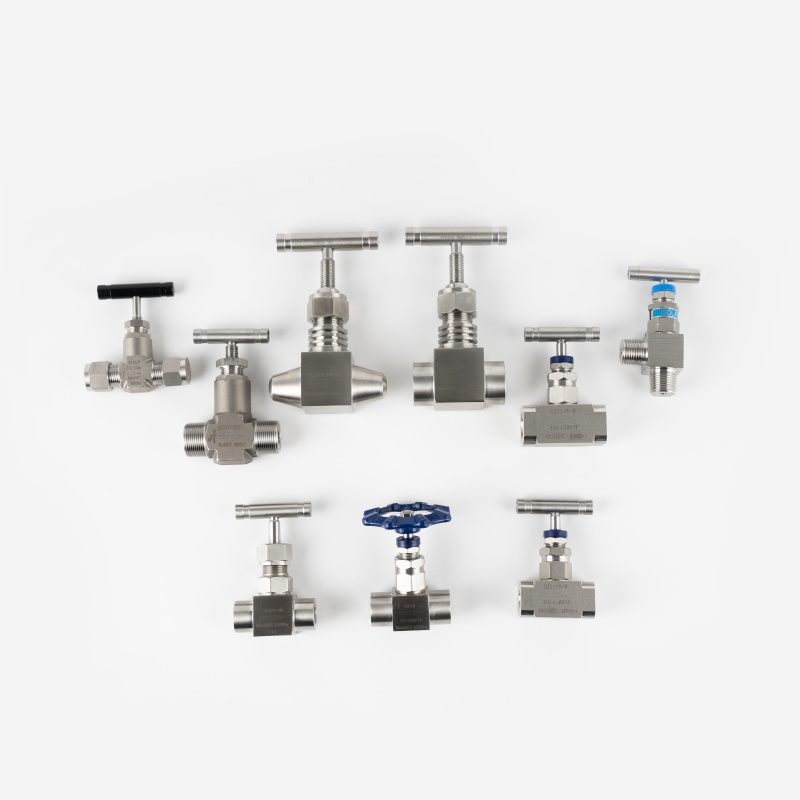

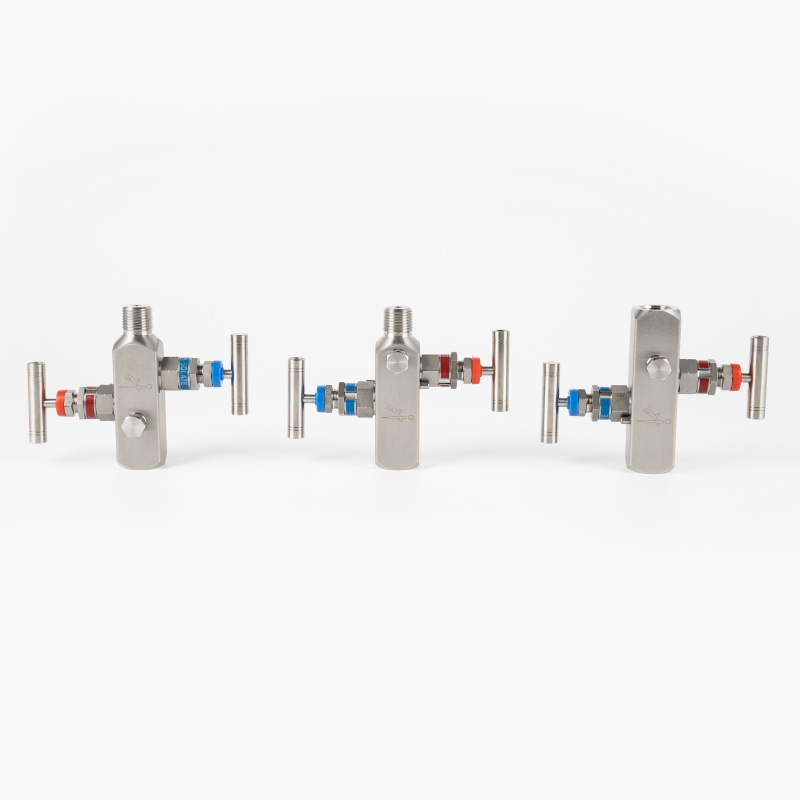
Whats The Different Between this 3 type:
| Valve Type | Flow Control | Main Function | Bleed Port | Common Pressure Rating | Material | Measurement medium |
| Needle Gauge Valve | Precise | Isolate gauges | Optional | Up to 6000 psi | Stainless Steel 304/316 | Gas, Liquid, Oil |
| Rising Plug Valve | Moderate | On/off isolation | Optional | 6000–10,000 psi | Stainless Steel 304/316 | Gas, Liquid, Oil |
| Block & Bleed Valve | Basic | Isolation + pressure release | Yes | 6000+ psi | Stainless Steel 304/316 | Gas, Liquid, Oil |
If you want help picking the best valve for a specific system or application, feel free to share:
Pressure rating
Fluid or gas type
Connection size
 English
 Arabic
 Spanish
 Russian