

In fluid and gas control systems, few components offer the same level of precision and reliability as an internal thread needle valve. Designed for accurate flow regulation, this compact valve plays a vital role in industries where safety, performance, and consistency are non-negotiable.
What Is an Internal Thread Needle Valve?
An internal thread needle valve is a flow control device that uses internal female threads at the inlet and outlet ports. This design allows the valve to connect directly to male-threaded tubing, fittings, or instrumentation components, reducing the need for adapters and minimizing potential leak points.
At its core, the valve regulates flow through a tapered needle that moves into or out of a precisely machined seat. Small adjustments to the handle translate into very fine changes in flow, making this type of valve ideal for applications requiring accuracy and repeatability.
Key Design Features:
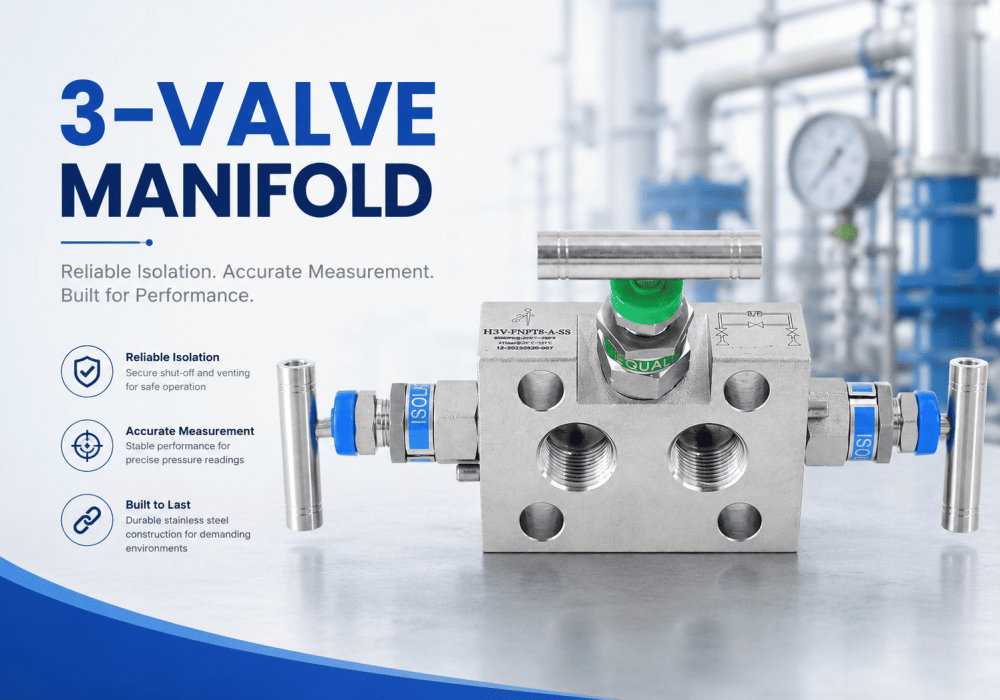
The valve shown in the image demonstrates several important design elements:
Stainless steel construction: Provides excellent corrosion resistance, mechanical strength, and long-term durability, especially in aggressive or high-pressure environments.
T-handle operation: Offers smooth, controlled adjustment and improved leverage, allowing operators to fine-tune flow with confidence.
Compact body design: Saves space in dense piping systems and instrumentation panels.
Clear labeling: The visible “ISOLATE” marking helps operators quickly identify the valve’s function in complex systems.
These features combine to create a reliable component suited for both industrial and laboratory use.
Typical Applications
Internally threaded needle valves are widely used across multiple industries, including:
Instrumentation and control systems – for precise regulation of pressure and flow in measurement lines.
Chemical processing – where accurate dosing and isolation of aggressive fluids are required.
Oil and gas – in sampling lines, pressure testing setups, and hydraulic systems.
Laboratory and research environments – for gas flow control and experimental setups.
Hydrogen and specialty gas services – where tight sealing and material compatibility are critical.
Their ability to maintain stable performance under varying pressures and temperatures makes them a trusted solution in safety-critical environments.
How to Select the Right Needle Valve ?
When choosing an internally threaded needle valve, consider the following factors:
Material compatibility: Ensure the valve body and seals are suitable for the fluid or gas being handled.
Pressure rating: Select a valve that exceeds your system’s maximum operating pressure.
Temperature range: Verify that the valve can perform reliably under your process conditions.
Thread type and size: Match the internal threads to your existing fittings (e.g., NPT, BSP, or metric).
Flow requirements: Choose an orifice size and stem design that allows for the desired level of control.
Proper selection not only improves system performance but also extends service life and reduces maintenance costs. The internal thread needle valves shown in the image represents a balance of precision engineering, durability, and user-friendly design. Whether used for isolation, fine flow control, or system regulation, this type of valve remains an essential component in modern fluid handling systems. By understanding its design, advantages, and applications, engineers and technicians can make informed decisions that enhance safety, efficiency, and performance across a wide range of industries.
 English
  Arabic
  Spanish
  Russian