معرفة
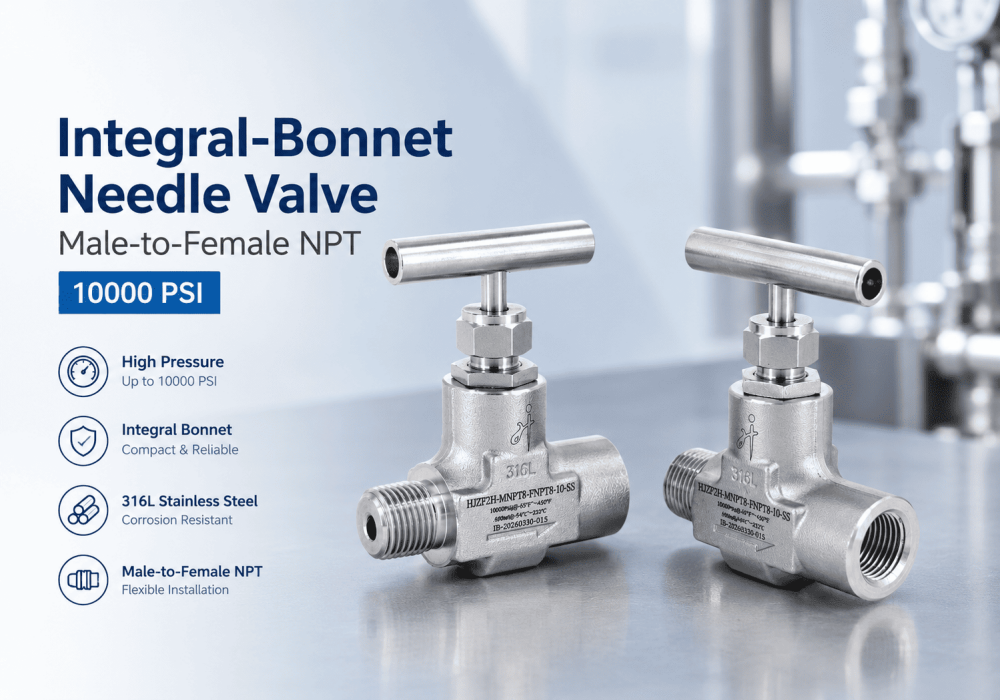
In high-pressure instrumentation systems, selecting the right valve is essential for maintaining reliable flow control, secure connections, and stable operation. An integral-bonnet needle valve with male-to-female

In high-pressure instrumentation systems, selecting the right valve is essential for maintaining reliable flow control, secure connections, and stable operation. An integral-bonnet needle valve with male-to-female
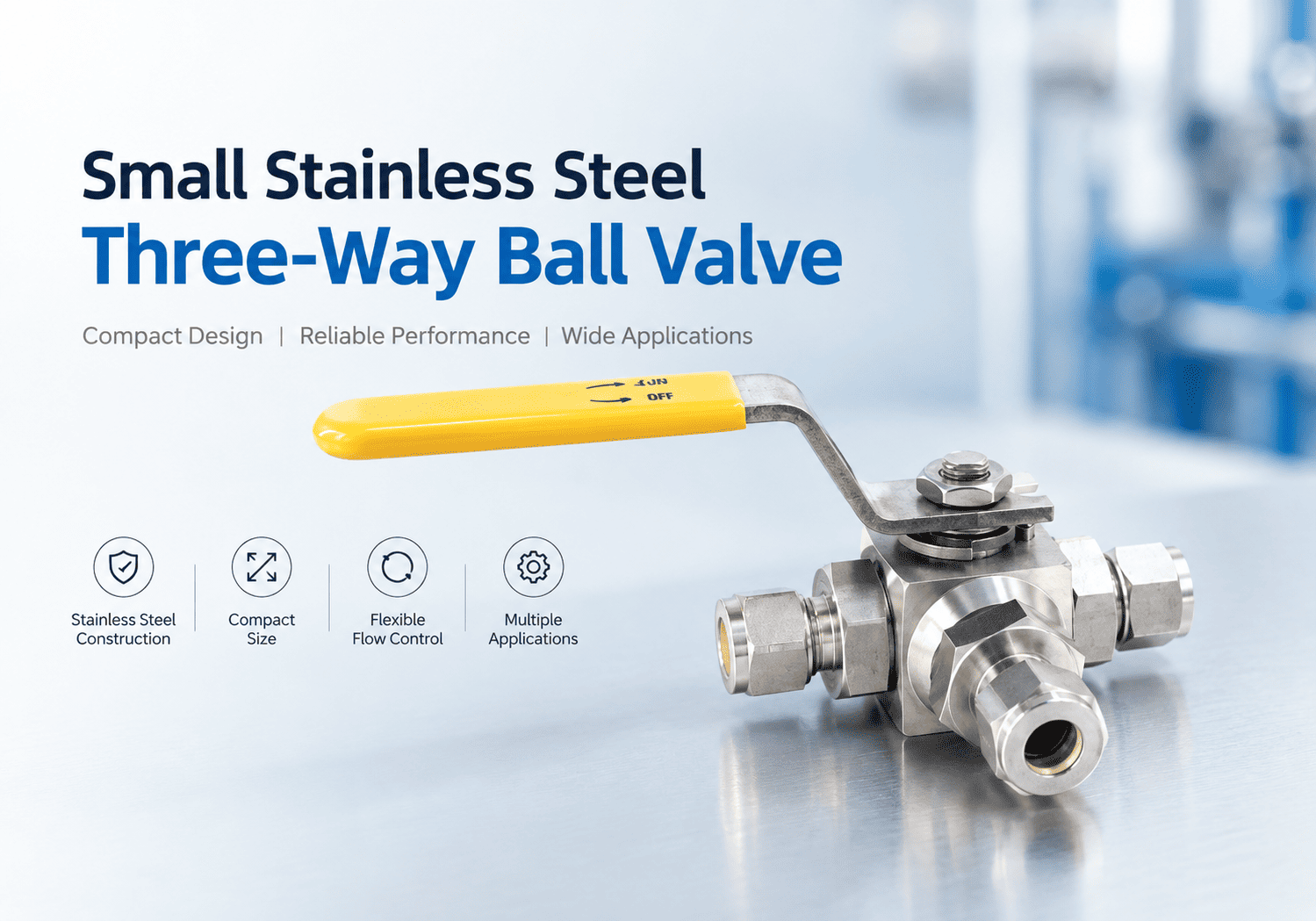
In small-bore fluid systems, valve size does not necessarily determine its importance. A compact valve may control, divert, isolate, or select the flow path of
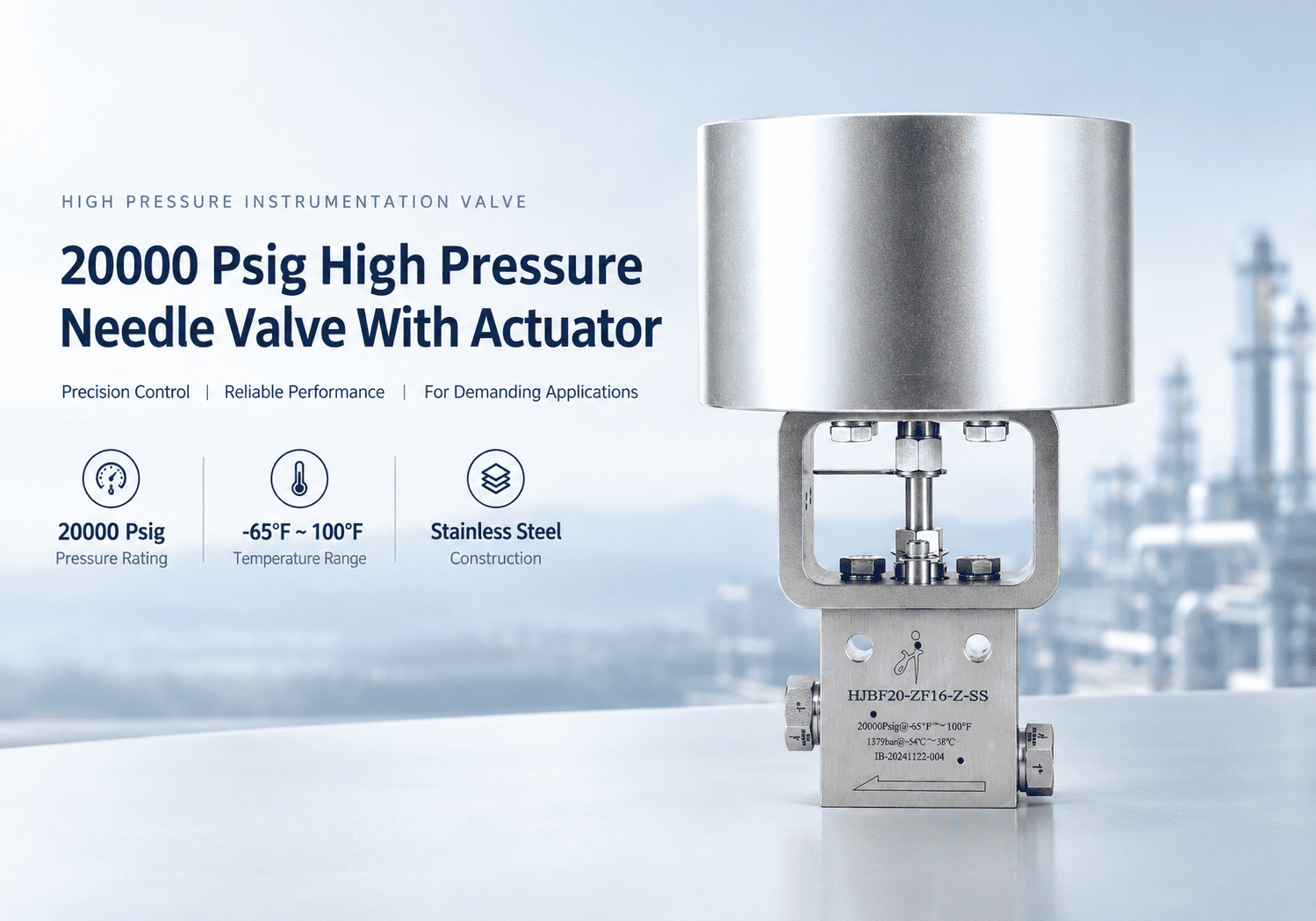
A traditional needle valve is operated manually through a handwheel or handle. A High Pressure Needle Valve With Actuator adds an actuator to the valve,

In high-pressure instrumentation systems, the valve itself is only one part of the connection. The interface between the valve and the tubing can be equally important.

A valve manifold may be a compact component, but valve manifold installation position can have a significant impact on pressure measurement, maintenance, and long-term system

When selecting an instrumentation valve, most engineers focus on pressure rating, material, temperature range, and valve type. But there is another specification that is just as
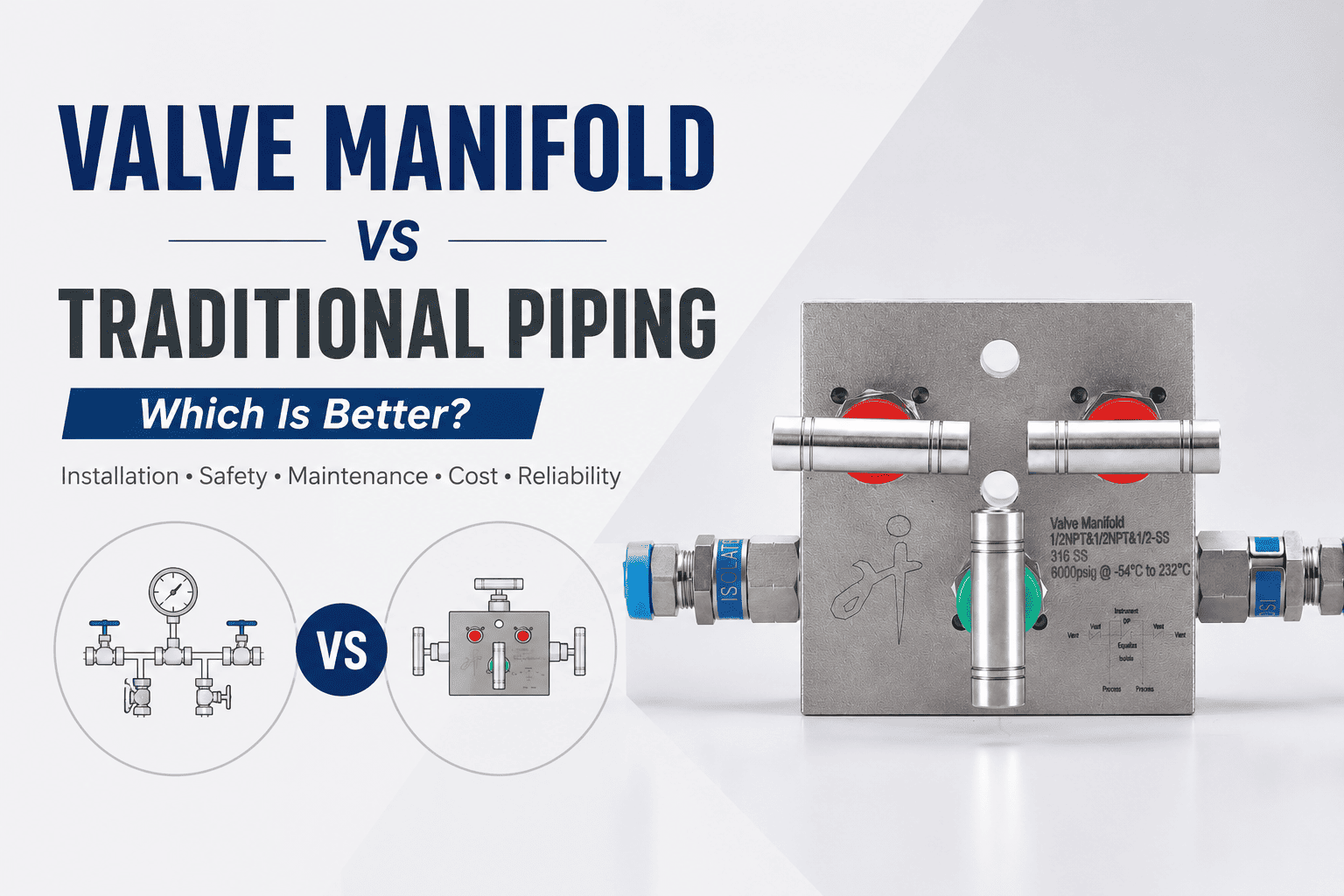
In industrial instrumentation systems, pressure transmitters, gauges, and other measuring devices require reliable isolation and control to ensure accurate readings and safe operation. Traditionally, these
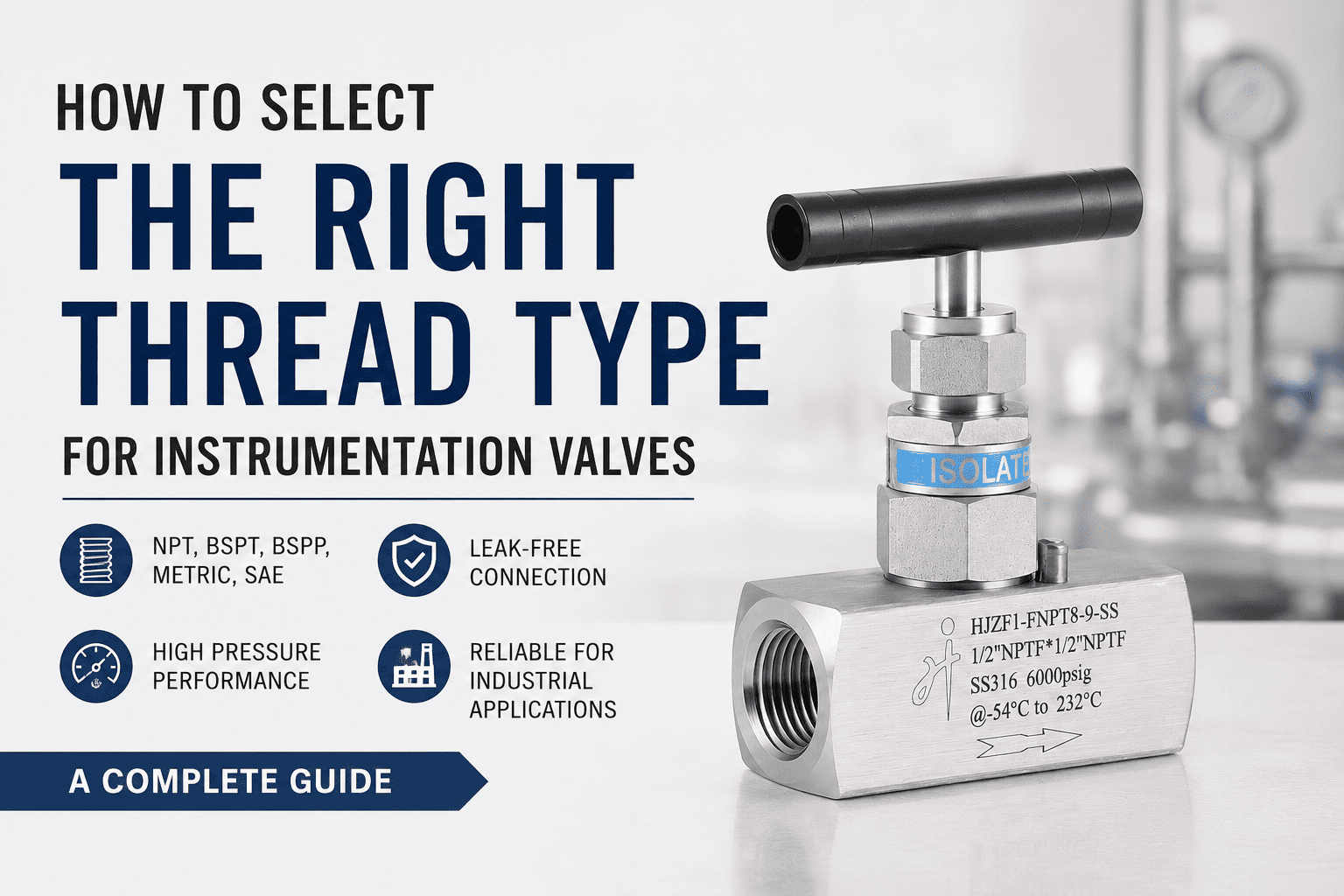
Selecting the correct thread type is one of the most important decisions when specifying instrumentation valves. Even if a valve is manufactured from high-quality stainless
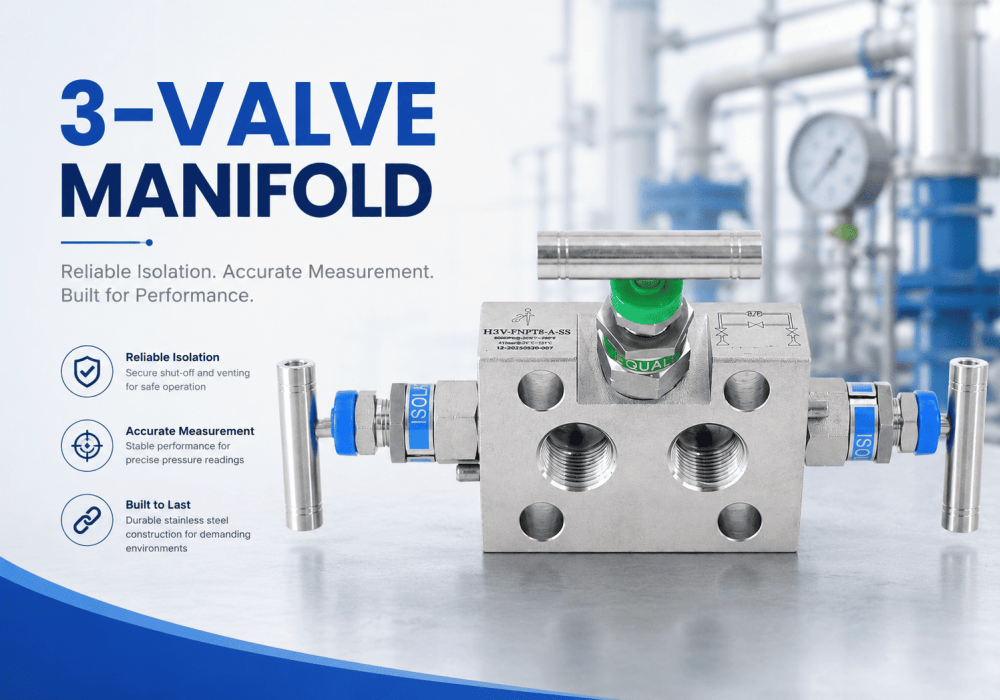
In industrial instrumentation systems, accurate pressure measurement is essential for safe and efficient operation. Differential pressure transmitters are widely used to measure flow, level, and
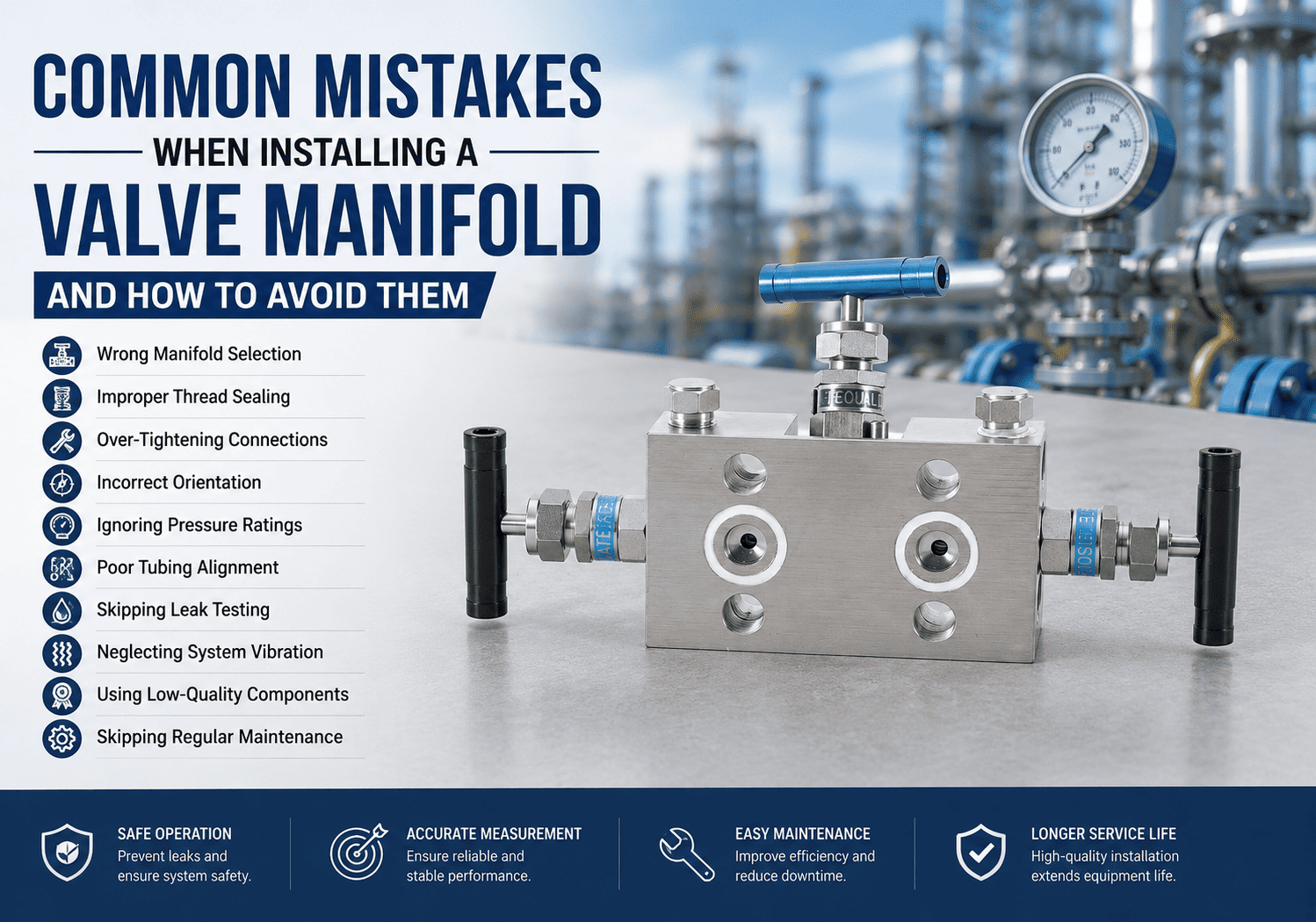
Stainless steel valve manifolds play a critical role in pressure measurement and instrumentation systems. Whether used with pressure gauges, transmitters, or differential pressure instruments, a properly
 English English
 Arabic
 Spanish
 Russian